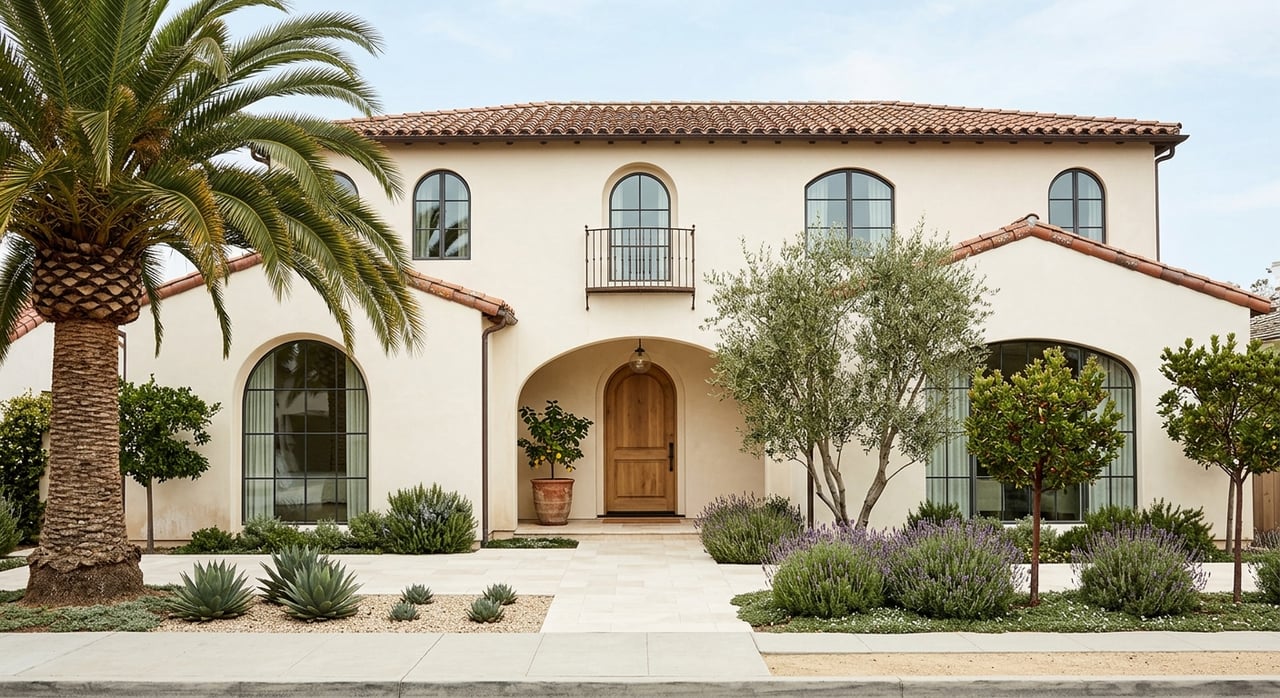
Owning a Home in Santa Cruz: Costs, Tradeoffs, Lifestyle
June 18, 2026
June 18, 2026
If you picture homeownership in Santa Cruz as nonstop beach walks and easy coastal charm, you are only seeing half the story. Living here can be deeply rewarding, but it also asks more of you in cost, planning, and upkeep than many buyers expect. When you understand both sides clearly, you can make a smarter decision about whether Santa Cruz ownership fits your lifestyle. Let’s dive in.
Owning a home in Santa Cruz is not just about buying real estate. It is about choosing a certain way of life in a high-demand coastal city shaped by tourism, outdoor access, and limited housing supply. That mix creates a lifestyle many people want, but it also creates real day-to-day considerations.
The numbers help frame that reality. In the 2019 to 2023 American Community Survey, the owner-occupied housing unit rate in Santa Cruz was 47.7%, the median value of an owner-occupied home was $1.18 million, and the median monthly owner cost with a mortgage was $3,758. The city has also been identified as a popular tourist destination with ties to Silicon Valley and UCSC, which contributes to strong demand and limited inventory.
For many buyers, the first meaning of owning a home in Santa Cruz is simple: it takes a serious financial commitment. This is not a market where you are paying only for square footage. You are also paying for access to the coast, outdoor amenities, and a location that remains in demand.
That does not make ownership here a bad decision. It means you need to think beyond the purchase price and ask what kind of daily life you want, how often you will use the city’s amenities, and whether the tradeoff fits your long-term goals. In Santa Cruz, lifestyle value is a major part of what you are buying.
Santa Cruz housing is not defined by rows of brand-new suburban homes. The city’s housing stock is older and more varied, which affects both your options and your responsibilities as an owner. Roughly two-thirds of the housing stock is more than 40 years old.
The city assessment counted 15,899 single-family homes, 2,636 two- to four-unit properties, 5,285 five-or-more-unit properties, and 349 mobile homes. In practical terms, that means you are often choosing among older detached houses, condos or townhomes, and smaller multifamily properties rather than newer construction.
That variety can be a strength. You may find character, established streets, and a location close to the parts of Santa Cruz you actually want to use. At the same time, older homes often bring more maintenance planning, more inspections, and more questions about systems, materials, and ongoing care.
Santa Cruz has a mild climate, which is one of its biggest draws. NOAA climate normals show an annual mean temperature of 58.7 degrees, average summer highs around 74 to 77 degrees, annual precipitation of 30.63 inches, and essentially no snowfall. Rain is concentrated in winter, while summer is very dry.
That sounds easy, but coastal ownership is not the same as low-maintenance ownership. Salt-laden marine air can speed up corrosion, and the effects are not always obvious at first. Homes closer to the coast may need more frequent attention to exterior materials and systems than similar homes farther inland.
As an owner, that can mean keeping a closer eye on:
In a city with a large share of older homes, those details matter even more. A mild climate may reduce some weather extremes, but it does not remove the need for regular property care.
One of the most overlooked parts of owning a home in Santa Cruz is how visitor activity shapes normal routines. If you live near the beach, downtown, or the wharf area, tourist traffic and parking can become part of your planning, especially during busier seasons.
The city’s Santa Cruzer shuttle exists for a reason. It is designed to connect downtown Santa Cruz with the beach and wharf area and help people avoid traffic and parking issues. It runs on weekends and holidays from Memorial Day weekend through Labor Day, from noon to 8 p.m., with a $1 fare.
The city also highlights downtown parking garages at Locust, Soquel and Front, River and Front, and Cedar and Church. That tells you something important about local life. Even everyday outings can involve thinking ahead about how, when, and where you will park.
The Boardwalk adds another layer to that rhythm. Its guidance notes that parking in Boardwalk lots is first-come, first-served, there are no in-and-out privileges, and summer weekends are usually busiest between 1 p.m. and 3 p.m. If your home is close to those activity zones, guest parking and timing plans are not occasional concerns. They can be a normal part of weekend life.
Of course, those tradeoffs exist because the upside is real. Owning a home in Santa Cruz can put you close to amenities people actively plan trips around. Beach access, downtown destinations, the wharf, and outdoor recreation are not distant perks. They are woven into how many residents use the city.
The downtown and beach corridor offers more than scenery. The city highlights dining, shopping, entertainment, and wharf recreation as part of the same connected area. That creates a lifestyle where errands, recreation, and time outdoors can happen within the same part of town.
The Boardwalk also extends beyond rides alone, with arcades, mini golf, laser tag, bowling, and seasonal events. Even if you do not spend every weekend there, living in Santa Cruz means being near a concentration of activity that shapes the city’s identity and energy.
A big part of the ownership story in Santa Cruz is the public space network. The city manages more than 1,700 acres of parks, beaches, open spaces, and greenways. That scale matters because it means outdoor access is not just a special feature in one corner of town.
The Parks Master Plan points to places such as Main Beach, Cowell Beach, Mitchell’s Cove, West Cliff, Pogonip, DeLaveaga, wharf areas, neighborhood parks, and community parks. For many owners, this is where the value of Santa Cruz becomes tangible. You are not only buying a home. You are buying closer access to the places where people spend their free time.
That can shape your routines in meaningful ways. A short outing to a beach, bluff, trail, or park can become part of an ordinary weekday instead of a special trip. For buyers who care about outdoor living, that convenience is a major part of what ownership here really means.
Before you buy in Santa Cruz, it helps to think in terms of fit rather than fantasy. The right home here is often the one that balances your budget, maintenance comfort level, and preferred daily routines. A beautiful location can still feel stressful if the practical side does not match your needs.
Ask yourself questions like:
These are not minor details. In Santa Cruz, they are central to whether ownership feels rewarding over time.
If you own a home in Santa Cruz and plan to sell, buyers are often evaluating more than the home itself. They are also weighing location benefits, maintenance concerns, parking realities, and how the property connects to the coastal lifestyle they want. The most effective marketing speaks to that full picture.
Older housing stock means presentation and preparation can carry extra weight. Buyers may pay close attention to condition, upkeep, and how well the home has been maintained in a coastal environment. A thoughtful selling strategy can help position your property around both its practical strengths and its lifestyle value.
For many sellers, that is where experienced guidance matters most. Clear preparation, smart positioning, and strong negotiation can make a meaningful difference in a market where expectations are high and tradeoffs are part of the conversation.
What it really means to own a home in Santa Cruz is this: you are choosing a lifestyle that blends natural beauty, activity, and convenience with a higher bar for cost, maintenance, and planning. You get access to beaches, parks, downtown energy, and a city that many people want to experience. In return, you take on the realities of an older housing stock, coastal wear, and busier visitor patterns.
For the right buyer, that balance is absolutely worth it. The key is going in with clear eyes, realistic expectations, and a plan that matches how you actually want to live.
If you are thinking about buying or selling and want experienced, hands-on guidance, Kelly Dippel offers concierge-level support designed to make the process smoother, clearer, and less stressful.
Stay up to date on the latest real estate trends.

I'm here to provide stress-free assistance whether you're buying, selling, or investing in real estate. Get in touch so we can have a conversation about your needs and goals.