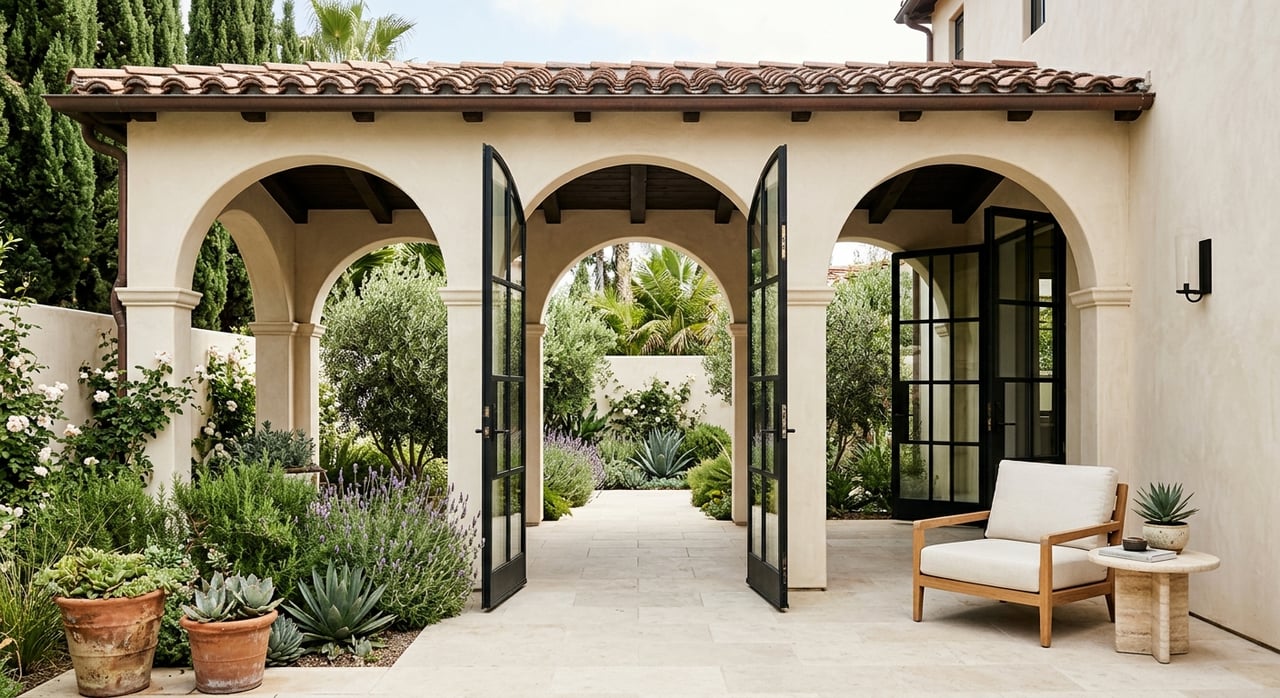
Redwood City vs Mountain View Homes: Which City Fits?
May 28, 2026
May 28, 2026
Trying to choose between Redwood City and Mountain View? If you are buying in Silicon Valley, that decision can shape not just your budget, but your daily routine, housing options, and long-term lifestyle. The good news is that both cities offer strong advantages, just in different ways. This guide breaks down the key differences so you can see which market fits your goals more clearly. Let’s dive in.
At a glance, Redwood City and Mountain View sit in a similar price tier, but Mountain View is still slightly higher based on recent public sales data. In Redfin’s March 2026 snapshot, Redwood City’s median sale price was $1.931 million, while Mountain View’s was $2.0 million. That gap is not dramatic, but it can still matter when you are balancing down payment, monthly costs, and competition.
The bigger difference is often the type of home you are likely to find. Redwood City’s 2020 housing profile shows 44.5% single-family detached homes, compared with 29.1% in Mountain View. Mountain View has a much larger share of multifamily housing, with 47.0% of homes in buildings with five or more units, compared with 34.5% in Redwood City.
If you are focused on a detached home, Redwood City may give you more options to explore. If you are open to condos, townhomes, or a denser housing environment, Mountain View may feel like a more natural fit. For many buyers, this single factor narrows the decision quickly.
Ownership trends also help explain how each market feels. Census QuickFacts show an owner-occupied housing rate of 48.6% in Redwood City, compared with 38.6% in Mountain View. That suggests Redwood City has a somewhat stronger owner-occupant base, while Mountain View leans more renter-heavy.
This does not make one city better than the other. It simply points to a different housing rhythm. Redwood City may feel more aligned with buyers looking for a conventional ownership path on the Peninsula, while Mountain View often appeals to buyers who are comfortable in a more apartment and condo-oriented market.
Rent levels are also high in both places. Redwood City reports a median apartment rent of $2,899, while Mountain View’s 2025 to 2030 Consolidated Plan reports a 2023 median rent of $3,107, with a CoStar median of $3,284 for larger multifamily properties. In practical terms, neither city is a budget option, whether you are buying now or renting while you search.
Your work location and commuting style can make this choice much easier. Redwood City offers strong rail access, with its Caltrain station in the heart of downtown and multiple SamTrans routes serving the area. City workforce data show 59.8% of commuters drove alone, 20.6% worked from home, 4.2% used public transportation, and the mean travel time to work was 24.8 minutes.
Those same city figures show 39.3% of workers worked in Redwood City and 72.2% worked somewhere in San Mateo County. That points to a strong local and Peninsula-oriented commuting pattern. If your day-to-day life is centered in San Mateo County, Redwood City may feel especially practical.
Mountain View has a different transportation identity. The city describes the Mountain View Transit Center as a major multimodal hub with Caltrain, VTA light rail, buses, private shuttles, and more than 12,000 boardings and alightings on a typical weekday. MVgo shuttles also connect the transit center with North Bayshore, East Whisman, San Antonio, and downtown Mountain View.
City data show 65.8% of residents drove alone, 17.6% worked from home, and 3.9% used public transportation, with a mean commute of 23.3 minutes. Even though both cities still show a strong share of car commuters, Mountain View has the stronger multimodal setup. If you want the option to build a more car-light routine, Mountain View has a clearer edge.
Both cities offer active downtown areas, but they feel different on the ground. Redwood City’s downtown is larger and more entertainment-driven. The city says downtown includes more than 75 restaurants, hundreds of retail and personal-services businesses, and a thriving entertainment district, along with recurring events such as Music on the Square and Music in the Park.
That gives Redwood City a broader downtown footprint and a lively event calendar. If you like the idea of dining out often, catching live events, and spending time in a bigger mixed-use center, Redwood City has a lot to offer.
Mountain View’s downtown is more compact and tightly tied to transit. The city describes Downtown Mountain View as a mixed-use, walkable center along Castro Street between Evelyn Avenue and El Camino Real, with restaurants, shopping, performing arts, transit access, a civic center, and a plaza. The pedestrian mall on the 100, 200, and 300 blocks of Castro Street reinforces that more walkable, condensed feel.
Walk Score data suggest both cities have walkable pockets. Redwood City has a walk score of 62 and a bike score of 67, while Mountain View has a walk score of 66, a transit score of 41, and a bike score of 92. If biking is a major part of how you want to get around, Mountain View stands out in a big way.
For many homebuyers, the right city is not just about the home. It is about how the place supports your routines on weekends, after work, and over the long term. Redwood City and Mountain View both invest in livability, but they do it in different ways.
Redwood City says it has more than 30 unique parks, including neighborhood parks, larger multi-use parks, and off-leash dog parks. Planning documents also describe efforts to improve open-space and Bay Trail connectivity, especially around downtown and the bay edge. That creates a recreation pattern that is spread across the city, with many smaller destinations woven into daily neighborhood life.
Mountain View’s standout recreation asset is Shoreline. The city describes Shoreline at Mountain View as a 750-acre wildlife refuge and recreation area with trails, a 50-acre sailing lake, an 18-hole golf course, a dog park, a kite-flying area, athletic fields, and two restaurants. The city also notes trail access through Stevens Creek Trail, Permanente Creek Trail, and the Bay Trail.
If you prefer a city with a broad network of smaller parks across different neighborhoods, Redwood City may feel more balanced. If you are drawn to one major destination-style recreation area, Mountain View offers a very distinctive anchor. Neither approach is wrong. It depends on how you picture your free time.
If you are buying with housing form at the top of your list, Redwood City often has the advantage. Its larger share of detached homes, slightly lower median sale price, and higher owner-occupancy rate make it appealing for buyers who want a more traditional home search. That can be especially helpful if you want more single-family options without stretching into even higher pricing.
If your priority is mobility and a denser urban environment, Mountain View may be the better match. Its heavier multifamily mix, strong bike infrastructure, and major transit center support buyers who want a more connected, car-light lifestyle. For some busy professionals, that tradeoff is well worth it.
For buyers deciding between the two, it often comes down to a few practical questions:
When you answer those questions honestly, the right fit usually becomes clearer.
| Factor | Redwood City | Mountain View |
|---|---|---|
| Median sale price | $1.931M | $2.0M |
| Detached home share | 44.5% | 29.1% |
| 5+ unit multifamily share | 34.5% | 47.0% |
| Owner-occupied rate | 48.6% | 38.6% |
| Mean commute | 24.8 min | 23.3 min |
| Downtown style | Larger, entertainment-driven | Compact, transit-centered |
| Bike score | 67 | 92 |
| Recreation highlight | 30+ parks, bay connectivity | Shoreline 750-acre destination |
Redwood City is often the better fit if you want more detached housing choices, a slightly lower price point, and a larger downtown with a strong dining and entertainment identity. Mountain View is often the better fit if you want a denser housing mix, stronger biking and transit infrastructure, and a compact downtown centered around Castro Street.
As with most Silicon Valley moves, the best choice is not just about statistics. It is about how you want to live every day, what type of home you want to own, and how your commute, recreation, and neighborhood preferences all fit together. A thoughtful buying strategy can help you weigh those tradeoffs with less stress and more confidence.
If you are comparing Peninsula and Silicon Valley communities and want tailored guidance on what fits your goals, schedule, and budget, Kelly Dippel can help you navigate the options with a clear, concierge-level approach.
Stay up to date on the latest real estate trends.

I'm here to provide stress-free assistance whether you're buying, selling, or investing in real estate. Get in touch so we can have a conversation about your needs and goals.