Saratoga Lifestyle Guide: Wineries, Arts, And Trails
July 9, 2026
July 9, 2026
If you want Silicon Valley access without giving up a more relaxed, foothill setting, Saratoga often stands out right away. You are not just looking at homes here. You are looking at a lifestyle shaped by scenic hillsides, established neighborhoods, a walkable village core, and easy access to wine, arts, and trails. This guide will help you understand what day-to-day life in Saratoga can actually feel like, and why that matters if you are thinking about buying or selling here. Let’s dive in.
Saratoga describes itself as a small-town residential community with a low-density pattern, larger residential parcels, long-established neighborhoods, scenic hillsides, and open space. That combination gives the city a different feel from a more typical suburban layout built around larger commercial corridors.
For you, that can translate into a lifestyle that feels quieter and more rooted in the foothills. Historic Saratoga Village anchors that experience with dining, shops, galleries, coffee houses, parks, and trails gathered in one central area rather than spread far apart.
Historic Saratoga Village is often the heart of daily life in town. It brings together practical stops and leisure destinations, which can make the area feel connected and easy to enjoy.
Instead of separating errands from free time, Saratoga gives you a village setting where coffee, dining, galleries, and nearby outdoor spaces can all be part of the same outing. That is a big part of the appeal for buyers who want convenience without a fast-paced commercial atmosphere.
Wine is not just a weekend activity in Saratoga. It is part of the local landscape and part of how many people experience the community.
The City of Saratoga partnered on wine trail signage to help visitors locate wineries across the Santa Cruz Mountains AVA. The city specifically identified a downtown tasting-room cluster that included Big Basin Vineyards, Cinnabar Winery, Silvertip Vineyards, Ser, Lexington Wine Co., and Mindego Ridge Vineyards, along with nearby destinations such as The Mountain Winery, Cooper-Garrod Estate Vineyards, House Family Vineyards, and Ridge Vineyards.
One of Saratoga’s unique lifestyle advantages is that tasting rooms have been part of the downtown experience. That makes wine feel integrated into the rhythm of the community rather than set apart as a separate day trip.
For you, that can mean a more flexible social scene. You might spend time in the village, meet friends for a tasting, and still be close to shops, coffee, or dinner in the same general area.
The Mountain Winery is one of Saratoga’s signature destinations. The property continues the tradition started by Paul Masson and combines wine tasting, event spaces, and a Concert Bowl set among vineyards and rolling hills with views over Silicon Valley.
What makes it especially notable is its mix of uses. It is not only a winery. It also works as a scenic gathering place and entertainment venue, which adds to Saratoga’s reputation as a place where natural beauty and cultural activity overlap.
Saratoga’s lifestyle is not defined by recreation alone. The city also has strong cultural anchors that give it a polished, creative, and year-round appeal.
Two of the most recognizable are Montalvo Arts Center and Hakone Estate and Gardens. Each offers a different experience, but together they help shape Saratoga’s identity.
Montalvo Arts Center sits in the foothills above Saratoga and includes more than 100 acres of woodland hiking trails and gardens. It is open year-round, free to the public, and offers art on the grounds, picnic space on the Great Lawn, exhibitions, and events.
That range matters if you are evaluating lifestyle, not just attractions. Montalvo is best understood as a year-round arts-and-nature campus where you can enjoy trails, outdoor space, and creative programming in one setting.
While its outdoor Garden Theatre concert season has been reduced in recent years, indoor Carriage House Theatre performances and broader arts programming continue. So if you picture Saratoga as a place with culture woven into everyday life, Montalvo supports that impression.
Hakone adds another layer to Saratoga’s cultural landscape. The 18-acre property was first established as a private summer retreat in 1915 and is now open to the public as a traditional Japanese garden.
Hakone describes itself as one of the oldest residential-style Japanese gardens open to the public in the Western Hemisphere. With historic buildings crafted in Japan, rotating art exhibits, cultural events, and event rental opportunities, it gives Saratoga a setting that feels contemplative, historic, and visually distinctive.
If outdoor access is high on your list, Saratoga offers more than scenic views. The city maintains roughly 189 acres of parks along with its trail network, and the local trail system is broad for a city of its size.
The city’s trail maps include Heritage Loop, Heritage Orchard Vicinity, Mount Eden, Parker Ranch, San Marcos, Saratoga Village, Quarry Park, and Saratoga to the Sea. Saratoga’s trail planning also reflects a long-term, multi-use approach.
Quarry Park is a strong example of how close nature can be to home in Saratoga. The city describes it as a 64-acre site about two miles west of downtown Saratoga, open from dawn to dusk, and positioned as a gateway to the Santa Cruz Mountains.
From there, the Saratoga to the Sea project created a new 3.6-mile trail connection to Sanborn County Park. Santa Clara County describes Sanborn County Park as a 3,453-acre mountain park between Saratoga and Skyline Boulevard with hiking, biking, camping, and year-round picnicking opportunities.
For you, that means Saratoga offers real outdoor access, not just a scenic backdrop. Trails, parks, and mountain connections are part of the living experience.
The value of Saratoga’s trail network is not only about exercise. It also shapes how the city feels.
When parks, foothill routes, and open space are woven into the community, the result is a more grounded and spacious atmosphere. That can be especially appealing if you want a home base that feels calm while still staying connected to the broader Silicon Valley area.
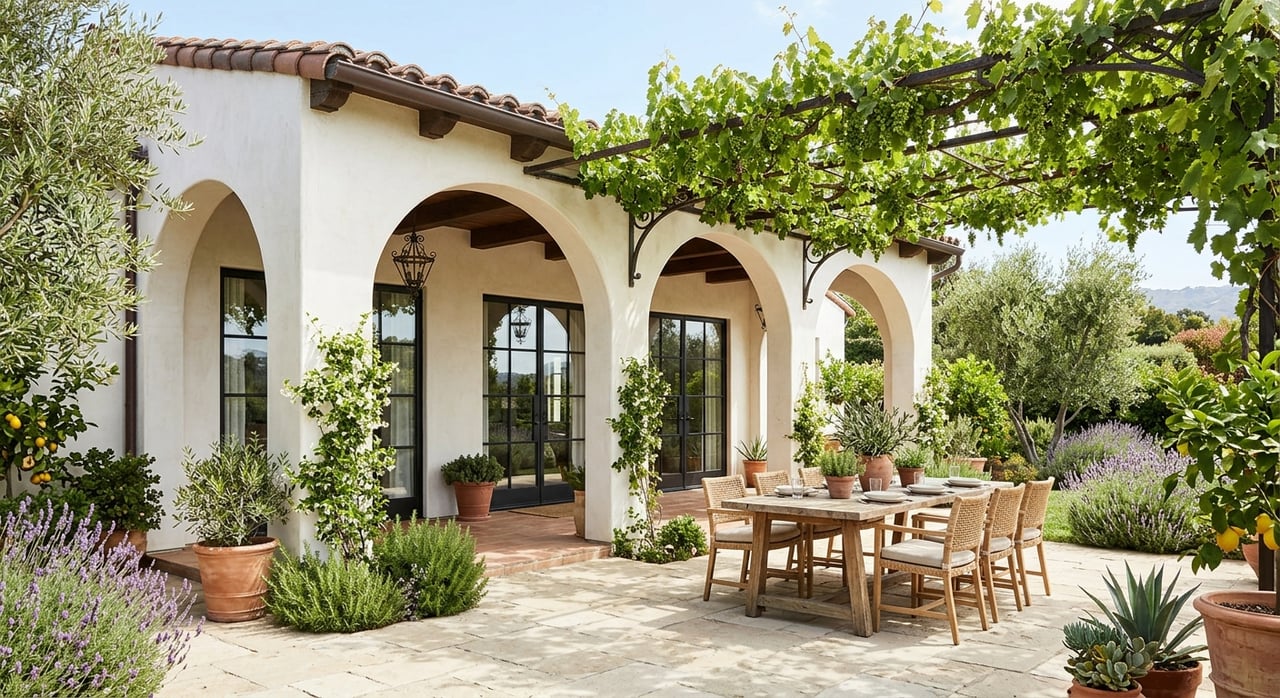
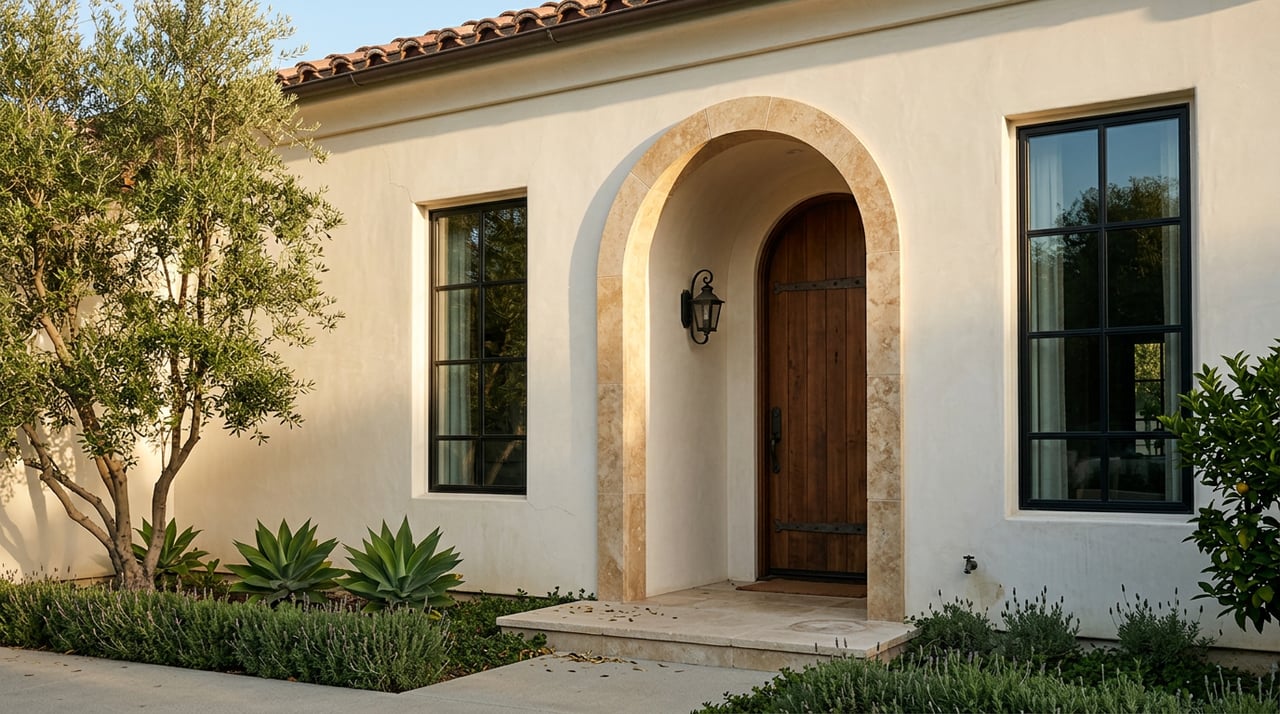
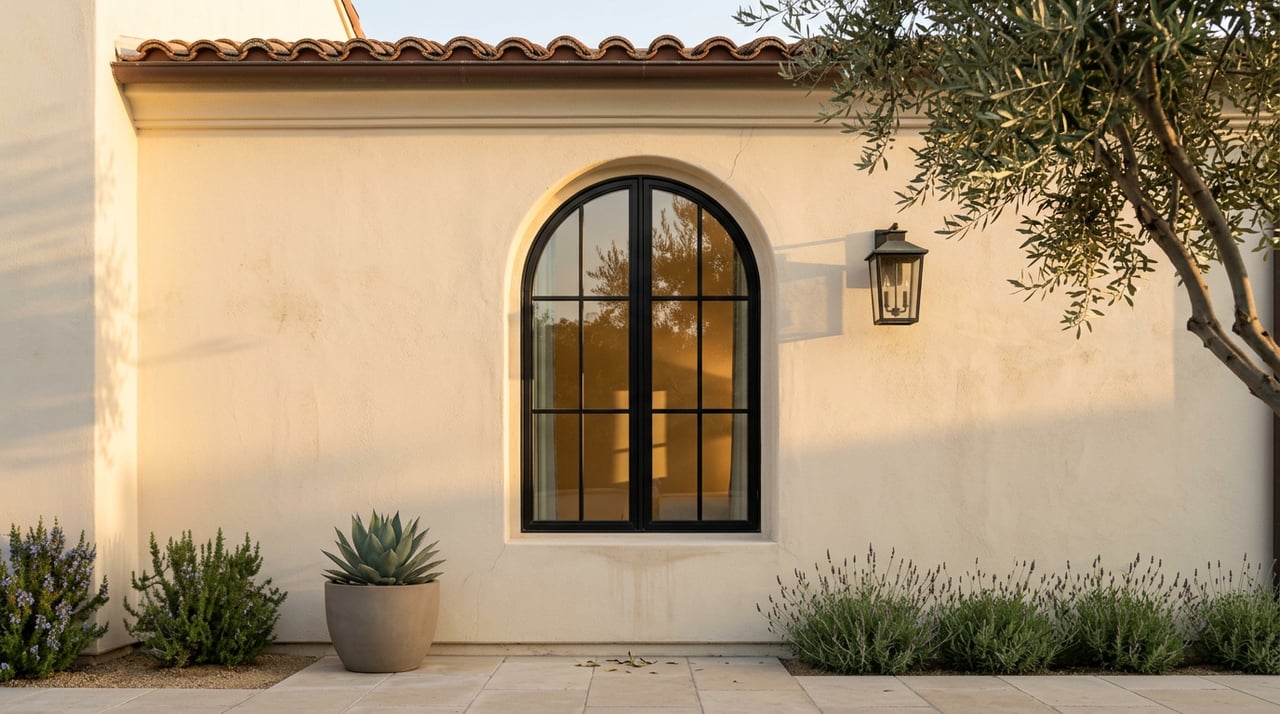
Saratoga’s housing character supports the lifestyle many buyers come here to find. The city’s heritage inventory notes a wide range of residential styles, including early-American farmhouses, Victorian-era single-family homes, Craftsman bungalows and cottages, Eclectic Revival designs, Ranch-style houses, and modern residences.
That variety means you are not looking at one uniform housing type. In Saratoga, older village cottages, mid-century ranch homes, and contemporary custom properties can all exist within the same city.
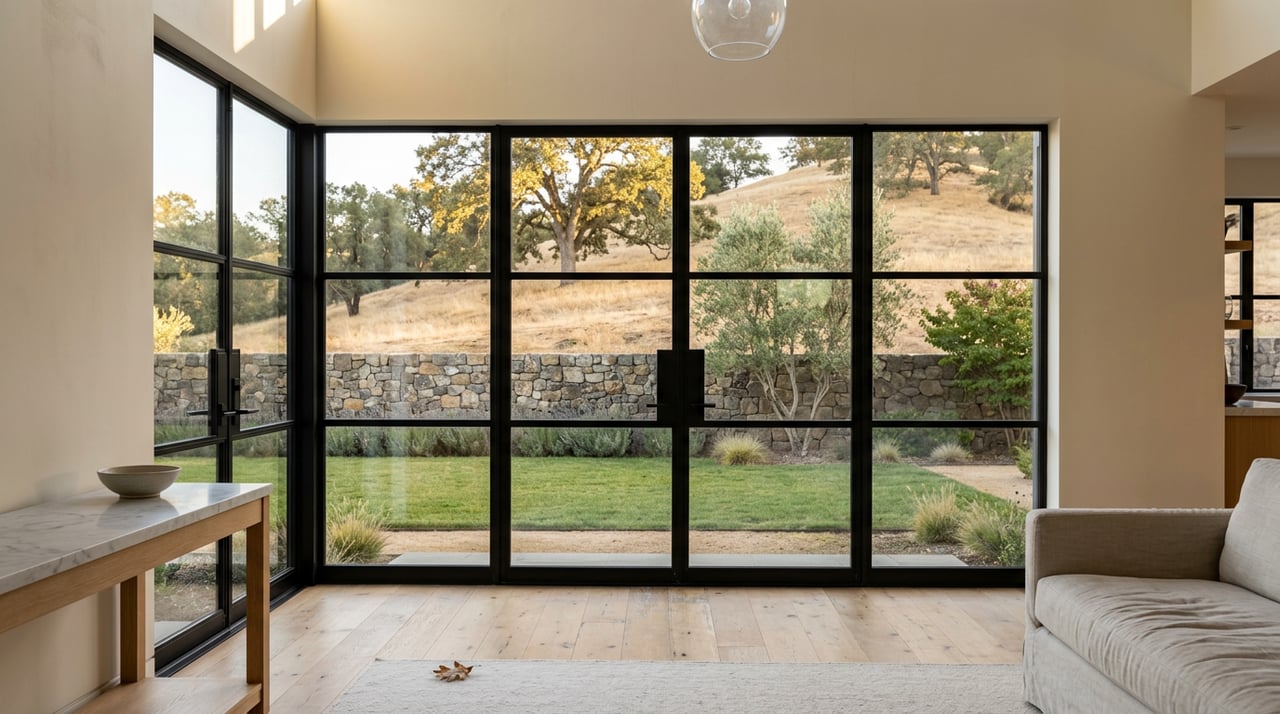
The city’s General Plan reinforces Saratoga’s long-established low-density residential pattern and its emphasis on larger parcels, scenic hillsides, and open space areas. Residential review also considers factors such as net site area, slope, protected trees, and wildfire interface conditions.
In practical terms, that often translates into homesites shaped by topography, mature landscaping, and privacy. For buyers, that can be part of Saratoga’s appeal. For sellers, it helps explain why setting and presentation matter so much when positioning a home in this market.
In a place like Saratoga, lifestyle is not a marketing extra. It is part of the value story.
Buyers are often evaluating more than square footage. They are asking what it feels like to spend a Saturday near the village, visit a local garden, enjoy a tasting room, or head out to a trail without leaving town.
If you are buying, understanding these lifestyle patterns can help you choose the right pocket of Saratoga for your priorities. If you are selling, highlighting how your home connects to Saratoga’s wine, arts, and outdoor character can help present the property more strategically.
Because Saratoga blends village charm, foothill scenery, cultural destinations, and varied home styles, it helps to work with someone who understands how those details influence real estate decisions. The right strategy is often about more than price point alone.
It can also involve timing, presentation, neighborhood positioning, and a clear understanding of what today’s buyers value most in Saratoga. That is especially true when a home’s setting, lot characteristics, or proximity to village and trail amenities shape its appeal.
Whether you are planning a move, preparing a property for market, or simply trying to understand where Saratoga fits within Santa Clara County, local guidance can make the process feel much more manageable. If you are considering your next step in Saratoga, connect with Kelly Dippel for thoughtful, high-touch guidance tailored to your goals.
Stay up to date on the latest real estate trends.

I'm here to provide stress-free assistance whether you're buying, selling, or investing in real estate. Get in touch so we can have a conversation about your needs and goals.