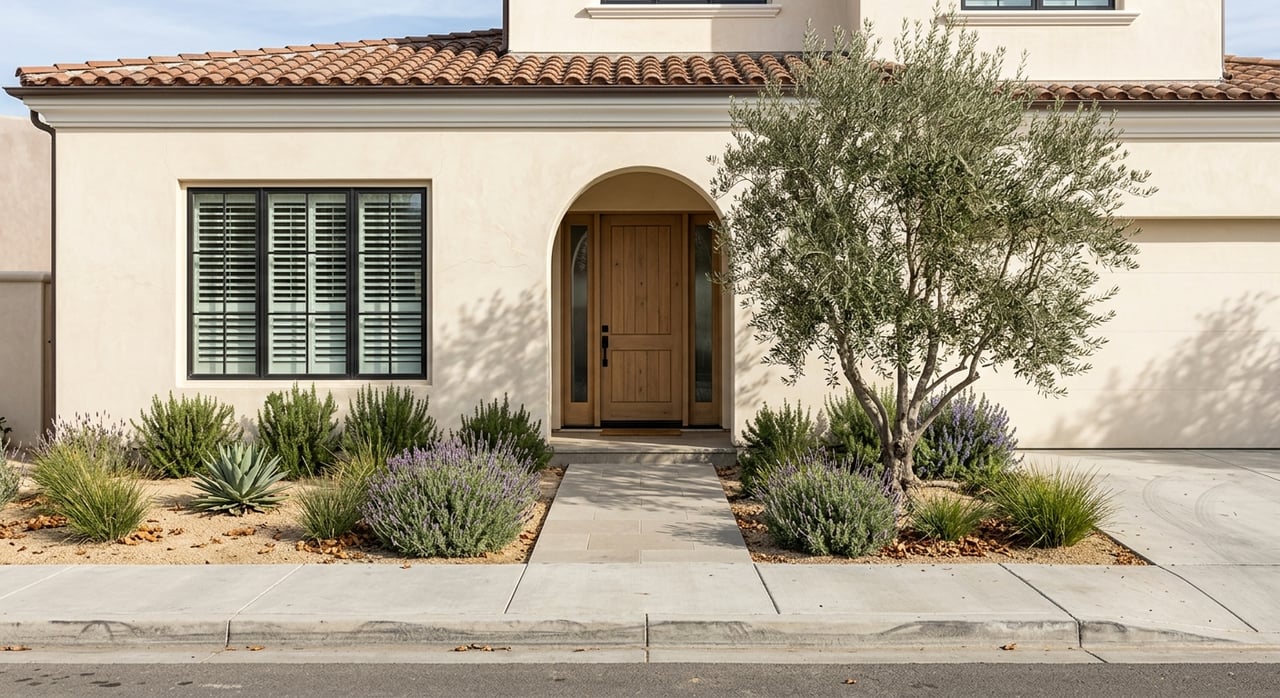
Your Redwood City Neighborhoods Guide for the Right Fit
June 4, 2026
June 4, 2026
Wondering which Redwood City neighborhood is the right fit for your lifestyle? That is a smart question, because Redwood City is not one uniform market. If you are trying to balance commute, home style, walkability, parking, and access to parks or trails, the best choice usually comes down to how you want to live day to day. This guide breaks Redwood City into practical neighborhood categories so you can compare your options with more clarity. Let’s dive in.
A common mistake is choosing a neighborhood based only on its name. In Redwood City, the better approach is to compare housing type, daily routine, and access.
The city’s General Plan describes Redwood City as a mix of historic-influence, post-war, mixed-density, hillside, master-planned, and waterfront neighborhood types. That matters because your experience can change a lot from one area to another, even within the same city.
Redwood City also has a varied housing mix. In 2020, the city’s housing stock included detached homes, attached single-family homes, smaller multifamily properties, and larger multifamily buildings. That gives you more choices, but it also means you need to be clear about what trade-offs matter most to you.
A practical way to narrow your search is to think about five buyer-facing choices: downtown walkability, historic west-side character, corridor convenience, Redwood Shores waterfront living, and hillside space and trails.
If you want to be close to restaurants, events, transit, and newer housing options, downtown is the clearest fit. Redwood City describes downtown as the Peninsula’s entertainment center, with more than 75 restaurants, public art, and frequent events.
The greater downtown area includes the downtown core plus nearby Centennial and Stambaugh-Heller. This part of the city also offers direct access to the Redwood City Caltrain station, which sits right in the heart of downtown.
Downtown and nearby central areas are also where the city sees strong potential for walkable infill housing. Since 2020, downtown has added more than 500 housing units, with more in the pipeline, which helps explain why buyers often find newer condos and mixed-use homes here.
Best fit for you if:
Trade-offs to expect:
If you are drawn to older homes, tree-lined streets, and established neighborhood character, west-side historic-influence areas may feel like home. The city points to neighborhoods such as Edgewood Park and Mount Carmel for charming architecture, curving streets, and green space.
Near downtown, the Mezesville Historic District and Stambaugh-Heller Historic District offer 19th-century wood-frame homes and strong walking-distance appeal. These areas tend to attract buyers who value architectural character and a more established streetscape.
The city expects relatively little change over time in some of these lower-density historic neighborhoods. That can appeal to buyers who want a sense of continuity and context-sensitive renovation rather than large-scale redevelopment.
Best fit for you if:
Trade-offs to expect:
If freeway access matters more than a walk-to-downtown lifestyle, the Woodside Road and El Camino Real corridor neighborhoods deserve a close look. Woodside Road is the city’s only major east-west connection and links Highway 101 with Interstate 280.
The city also notes that Woodside Road has the highest concentration of multi-unit residential buildings in Redwood City. El Camino Real is a major regional north-south route, and the city’s long-term vision is to make it more walkable and mixed-use over time.
Neighborhood associations in or near these areas include Woodside Plaza, Friendly Acres, Redwood Village, Roosevelt, Redwood Oaks, and Centennial. For many buyers, these pockets offer a practical balance of housing options and access to major routes.
Best fit for you if:
Trade-offs to expect:
Redwood Shores stands apart from many other parts of Redwood City. The city describes it as a master-planned, water-oriented neighborhood, with the lagoon serving as a focal point for housing and retail development.
If you like planned-community consistency, water views, and bayfront recreation, this area may be appealing. Redwood Shores Lagoon supports activities such as boating, swimming, and windsurfing, and the bayfront setting creates a very different lifestyle from inland neighborhoods.
This area also comes with a stronger HOA structure than most other Redwood City neighborhoods. The city notes that an umbrella homeowners association covers residential developments built there since 1981, which is important when comparing monthly costs and maintenance expectations.
Redwood Shores also requires more diligence than most inland neighborhoods when it comes to flood and sea-level-rise issues. The city says FEMA has warned that the lagoon and levee system must be updated or properties may be mapped into a Special Flood Hazard Area.
The General Plan also flags low-lying eastern Redwood City and parts of Redwood Shores as areas exposed to flooding or sea-level-rise concerns. If you are considering this area, ask careful questions early about flood insurance, levee work, and long-term resilience planning.
Best fit for you if:
Trade-offs to expect:
If your priority is more separation, larger homes, and access to trails, hillside and Edgewood-adjacent west-side neighborhoods may be the best match. The city describes hillside neighborhoods as areas with larger homes on curving streets shaped by the foothill topography.
These neighborhoods also sit near Edgewood County Park and open space. For buyers who want a quieter residential feel and easy access to outdoor recreation, this comparison set often rises to the top.
Stulsaft Park is another useful west-side anchor, with trails, a water feature, and an off-leash dog area. Together, these park and trail resources help explain why the west side can feel very different from downtown or the main corridors.
Best fit for you if:
Trade-offs to expect:
Your neighborhood choice should support your real routine, not just your weekend routine. If rail access matters, downtown is the strongest option because the Caltrain station is right there, and SamTrans also serves the area with multiple routes.
If you drive more often, access to Highways 101 and 280 may matter more than walkability. In that case, Woodside Road and El Camino Real often become more practical parts of your search.
Parking should also be part of your comparison. The city notes that mixed-density neighborhoods can experience on-street parking pressure because many older buildings have less off-street parking than buyers may expect today.
Downtown does offer parking lots, garages, and on-street spaces, but parking convenience can still vary from one property to another. That is why it helps to evaluate not just the neighborhood, but the specific block and building.
When two neighborhoods look similar on paper, nearby parks and everyday amenities can help you decide. Redwood City says it has more than 30 parks, plus five community centers across the city.
Downtown offers the city’s most active restaurant and entertainment environment. On the west side, places like Edgewood Park & Natural Preserve and Stulsaft Park support a more trail-oriented, outdoor routine.
Central Redwood City includes park anchors such as Red Morton Park and Palm Park. In Redwood Shores, bayfront recreation and lagoon access become a bigger part of daily life.
A simple question can help here: What do you want to do without getting in the car, and what are you fine driving for? That often points you toward the right neighborhood faster than a long list of names.
If you are feeling overwhelmed, start with these five questions:
Your answers will usually point you toward one or two neighborhood types quickly. From there, you can compare home style, parking setup, lot layout, and access to the places you use most.
Choosing the right Redwood City neighborhood is really about matching the city’s different housing patterns to your everyday priorities. If you want expert help sorting through the options, Kelly Dippel offers thoughtful, high-touch guidance to help you find the right fit with less stress.
Stay up to date on the latest real estate trends.

I'm here to provide stress-free assistance whether you're buying, selling, or investing in real estate. Get in touch so we can have a conversation about your needs and goals.