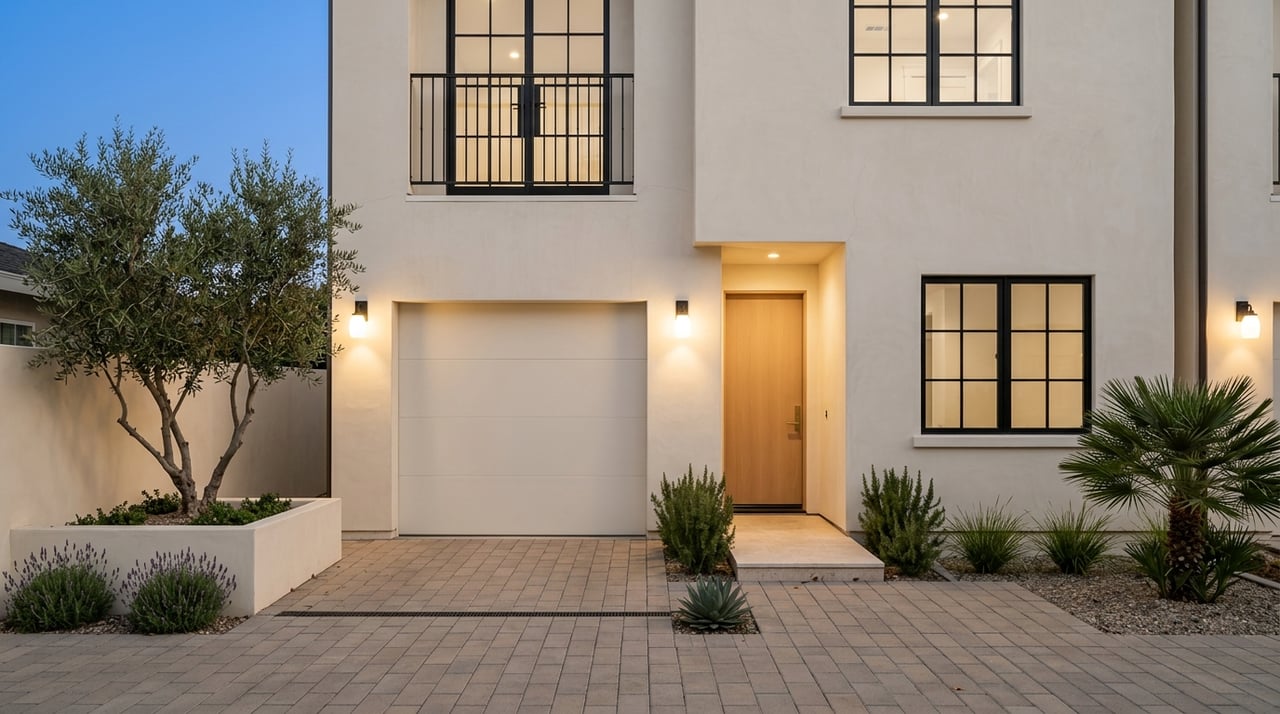
Why Santa Clara Townhomes for Buyers Fit Busy Lifestyles
May 7, 2026
May 7, 2026
If your workdays already feel packed, the idea of taking care of a house on top of everything else can sound exhausting. That is exactly why many Silicon Valley buyers take a hard look at Santa Clara townhomes when they want a home that fits their schedule, budget, and commute. In this guide, you’ll see why townhomes stand out in Santa Clara, what to watch for with HOA rules and costs, and how to think about long-term value in a fast-moving market. Let’s dive in.
Santa Clara is not just a place to live. It is also one of Silicon Valley’s major job centers, with a city population of 129,498, an employment base of about 106,750, and more than 12,000 businesses. The city also highlights access to freeways and public transportation, which matters when your day is shaped by meetings, school drop-offs, airport runs, or hybrid work schedules.
For many buyers, a townhome offers a practical middle ground. You can often get more privacy and room than a typical condo while avoiding some of the yard work, exterior maintenance, and upkeep that can come with a detached home. That balance is a big reason attached housing continues to appeal to people who want convenience without giving up comfort.
One of the clearest reasons buyers consider attached housing in Santa Clara is cost. According to the January 2026 local association report, the city’s median sold price was $2,289,000 for single-family homes and $737,500 for the combined condo and townhome category. Since that figure combines condos and townhomes, it should not be read as a townhome-only median, but it still shows that attached housing can offer a much lower entry point than a detached home in the city.
Current listing snapshots also show a wide range of townhome pricing in Santa Clara. Available townhouses have recently ranged from about $689,000 to $1.75 million, with a median listing price around $1.2 million. That range gives buyers options, whether you are looking for a more compact first purchase or a newer, larger home with upgraded finishes.
A big part of the appeal is how many newer Santa Clara communities are designed for streamlined daily life. Builders have been delivering homes with open layouts, flexible bedrooms, generous kitchens, attached garages, and private outdoor spaces that feel easier to manage than a traditional lot.
For example, KB Home’s Naya includes three-story townhome-style condo homes with open great-room layouts, large kitchens, walk-in closets, storage, private outdoor living areas, and plans with up to four bedrooms and 3.5 baths. Toll Brothers’ 3131 Camino offers townhome- and villa-style condos with one- to four-story floor plans, private garages, open layouts, and rooftop terraces in select homes.
These details matter when your schedule is full. A modern floor plan, direct garage access, built-in storage, and less exterior upkeep can make everyday living simpler. If you travel often or work long hours, those features can feel less like a luxury and more like a necessity.
For buyers who want to stay connected across the Bay Area, Santa Clara’s transit options strengthen the townhome case. The Santa Clara Transit Center currently serves Caltrain, the Altamont Corridor Express, and VTA buses. VTA also plans the Santa Clara Station adjacent to the Caltrain station and Transit Center, with connections to Caltrain, Capitol Corridor, ACE, and several VTA bus lines through the existing pedestrian undercrossing.
That kind of access can make a real difference in your weekly routine. If you commute part time, travel to client meetings, or want options beyond driving, living near transit can save time and create flexibility. For many buyers, a well-located townhome is as much about location efficiency as it is about square footage.
Santa Clara’s development pipeline also supports the idea that attached housing is an important part of the city’s future. SummerHill’s Nuevo is a mixed-use urban town with 868 homes total, including 114 E-Towns and 176 Terraces, along with retail, parks, a community garden, and a community center.
The city’s project pipeline shows more examples. Agrihood includes 36 townhomes. The 2610 El Camino Real proposal includes 159 three-story townhomes with private entrances and two-car garages. The 1400 Coleman Avenue project proposes 142 townhome-style units in 13 buildings, plus a dog park, community garden, common outdoor seating, paseos, and lawn areas.
This steady pipeline matters for buyers because it shows Santa Clara continues to support homes that fit urban, time-conscious living. It also means you may find a broader mix of community styles, locations, and floor plans than you would expect.
Before you buy, it helps to understand an important California detail. In California, a townhome is an architectural style, not a legal ownership type. That means two homes that look similar from the street can come with very different ownership structures and maintenance rules.
The California Department of Real Estate explains that common interest developments are governed by the Davis-Stirling Act. Common area is property owned or controlled by the HOA, and planned developments often include HOA-owned or HOA-maintained areas with assessments that can become liens if unpaid. Features like patios, balconies, parking spaces, driveways, and some yards may also be classified as exclusive-use common area.
In plain English, you should never assume maintenance responsibilities based on appearance alone. One Santa Clara townhome community may place more upkeep on the owner, while another may handle more through the HOA. Reviewing the governing documents is essential.
Monthly HOA dues can be well worth it when they cover meaningful services and keep the community maintained. Still, what those dues actually cover can vary sharply from one Santa Clara property to the next. That is why buyers should look beyond the payment amount and ask what is included.
California Civil Code 4775 sets a default maintenance split unless the declaration says otherwise. In general, the association maintains the common area, the owner maintains the separate interest, and the owner maintains exclusive-use common area while the HOA handles repair and replacement of that exclusive-use area. Because community documents can change that default, you want a clear, property-specific review before moving forward.
A few questions can help you compare options:
The Department of Real Estate also emphasizes the importance of association budgets, cash reserves, the remaining life of common-area facilities, and how repair or replacement will be handled. For you as a buyer, this is not just paperwork. It is a window into how the community is run and whether future costs may be more predictable.
A well-managed HOA can support a smoother ownership experience. On the other hand, weak reserves or deferred maintenance can create stress later. If you are buying a townhome because you want less friction in your life, this part of due diligence is especially important.
It is reasonable to think about future resale when choosing a Santa Clara townhome, but it is best to frame that as a possibility rather than a guarantee. Santa Clara’s large employment base, concentration of major tech employers, more than $3 billion in announced development projects, and planning around the future Santa Clara BART and Caltrain hub all suggest a deep future buyer pool for well-located, well-kept homes.
That does not mean every townhome will perform the same way. Community condition, HOA health, floor plan, location within the city, and overall market timing all matter. Still, for buyers who want a home that serves their life now and may appeal to future buyers later, Santa Clara has several strong fundamentals working in its favor.
Townhomes can work well for many types of buyers, but they are especially appealing if your time feels limited. You may be a relocating tech professional who wants quick access to work and transit. You may be a buyer who wants more space than a condo but less upkeep than a detached house.
A Santa Clara townhome may be a strong fit if you want:
When you tour townhomes, it helps to look past finishes and staging. Pay attention to how the home supports your daily routine. Think about storage, parking, stairs, guest access, natural light, outdoor space, and how close the community is to the places you use most.
Just as important, review the HOA package carefully. A beautiful home in a poorly run community can create headaches you did not expect. A well-chosen townhome, on the other hand, can offer the kind of convenience, efficiency, and comfort that busy Silicon Valley buyers are often looking for.
If you are weighing Santa Clara townhomes against condos or single-family homes, the right choice usually comes down to your priorities. Your budget, commute, desired maintenance level, and long-term plans should guide the decision. Having local guidance can make it much easier to sort through those tradeoffs with confidence.
If you’re exploring Santa Clara townhomes and want clear, hands-on guidance through the process, Kelly Dippel offers thoughtful buyer representation tailored to busy Silicon Valley clients.
Stay up to date on the latest real estate trends.

I'm here to provide stress-free assistance whether you're buying, selling, or investing in real estate. Get in touch so we can have a conversation about your needs and goals.