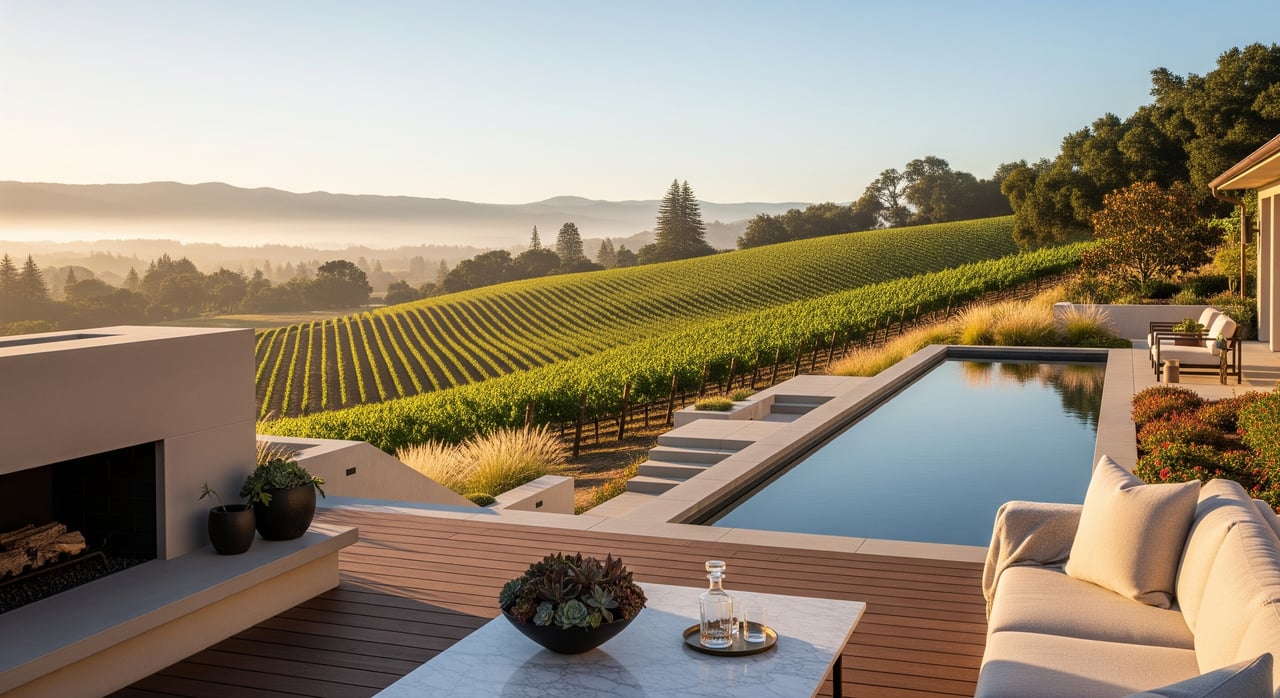
Exploring the Saratoga Wineries Lifestyle
December 18, 2025
December 18, 2025
Do you picture Saturday tastings, hillside views, and a quick drive to award-winning wine while still being close to Silicon Valley? If so, living near Saratoga’s wineries might be a great fit. You want the scenic, low-key rhythm that comes with vineyard country, and you also want clarity about traffic, events, fire safety, and day-to-day logistics. In this guide, you’ll learn what everyday life feels like in Saratoga’s winery areas, the benefits and tradeoffs, and the practical steps to decide if it is right for you. Let’s dive in.
You get the best of two worlds: a rural, peaceful feel in the foothills and a charming, walkable downtown in Saratoga Village. The area draws people who value privacy, views, outdoor recreation, food-and-wine culture, and easy access to dining and shopping. Many buyers also like that boutique wineries and tasting rooms are a short, scenic drive from home. If you value a refined yet relaxed lifestyle with a strong sense of place, this setting often delivers.
Saratoga sits along the eastern edge of the Santa Cruz Mountains. Nearby wineries cluster in the Santa Cruz Mountains American Viticultural Area in the foothills and ridgelines, and in the lower-elevation Santa Clara Valley AVA on the valley floor and surrounding foothills. “Near Saratoga” typically includes hill neighborhoods within Saratoga, unincorporated Santa Clara County, the Santa Cruz Mountains, and parts of Los Gatos. You will encounter small estate producers, appointment-based tasting rooms, and some commercial tasting rooms in nearby downtowns.
Weekends are the busiest time, especially Saturday and Sunday afternoons. Many tasting rooms now prefer reservations, which helps moderate random drop-in traffic and parking. Fall harvest brings vineyard crews, grape deliveries, and occasional seasonal events, with activity levels varying by winery size. Expect a generally quiet weekday pace, then a gentle uptick on weekends and event dates.
Wine-pairing dinners, release parties, and charity gatherings tend to cluster in the late afternoon and early evening. Some wineries set limits on event frequency to manage traffic and neighborhood impacts. Larger public events are less frequent, while many boutique producers focus on smaller, curated experiences. If an event calendar is important to you, it is smart to review nearby wineries’ schedules and appointment policies.
Foothill roads are part of the charm, but they can be narrow, winding, and slow-moving. On busy weekends, small tasting rooms may rely on limited on-street parking, while others use private lots or appointments to spread out visitors. You might notice occasional agricultural vehicles or delivery trucks on winery access roads. Plan extra time for weekend drives and consider vehicle clearance for steep or curving roads.
Most winery activity happens in the daytime or early evening. Amplified music or late-night events are typically limited by permits and local rules. That said, neighbors sometimes report occasional event noise or late departures after special gatherings. If you are sensitive to sound, ask about local noise ordinances and any conditions tied to nearby tasting room permits.
Vineyards need irrigation, and hillside homes may draw from municipal water where available, private wells, or water deliveries. Water availability and costs matter if your property includes vines or if you plan to plant some. In the foothills, fire mitigation is part of regular life. Expect defensible-space requirements, brush clearing, and ongoing vegetation management to protect structures.
The Santa Cruz Mountains foothills are part of California’s wildfire-prone landscape. As a buyer, confirm the local fire-hazard classification, defensible-space standards, and building material requirements. Also verify homeowner insurance availability and wildfire-related premiums early in your process. If your area faces planned utility shutoffs during high-risk weather, ask about local backup power and communication plans.
Hobby vineyards on residential parcels are common. Turning a hobby setup into a public-facing winery or hosting regular tastings usually requires permits and state alcohol licensing. If you hope to plant vines, hold events, or open a tasting room, speak with city or county planning and the state regulator to understand zoning and approvals. Clear guidance early on helps you avoid costly surprises later.
Near Saratoga’s wineries, housing ranges from high-end homes and condos walkable to Saratoga Village to ranch and estate properties in the foothills. Larger lots offer privacy and potential for vines, barns, or equestrian facilities, while smaller parcels may be better suited to low-maintenance living. Lot size affects permitted uses, so match your goals with local zoning and the property’s current approvals. If you want room for vines or expanded outdoor living, prioritize parcels with suitable exposure and water access.
Saratoga is served by local elementary and high school districts that are known locally for strong public schools. Always verify current boundaries, assignments, and program details directly with the districts. For everyday life, downtown Saratoga offers restaurants, cafes, specialty shops, and a farmers market, plus parks, gardens, and nearby trails. This blend of quiet foothill living and convenient services is a key reason the area is so sought after.
Many residents commute by car to Silicon Valley job centers using regional freeways and local arterials. Transit options are limited in hill neighborhoods, and the nearest rail stations are in adjacent cities. If you plan to rely on transit, confirm your neighborhood’s routes and travel times. Factor in parking at transit nodes and the likelihood of driving for most daily errands if you are in the foothills.
Use this quick list to explore a property’s fit before you write an offer:
Start with your daily routine. If you imagine weekend tastings, scenic drives, and evenings on the patio with hillside views, the setting will likely feel rewarding. If you prefer a fully walkable, urban routine and direct transit access, a downtown location may be a better match. Consider your comfort with seasonal visitors, fire-mitigation tasks, and car-first mobility. When the lifestyle aligns with your priorities, living near Saratoga’s wineries can feel both grounded and elevated.
Ready to explore homes and neighborhoods near Saratoga’s wineries with a trusted local advisor? Reach out to Kelly Dippel to discuss your goals and map a plan that fits your timing and lifestyle.
Stay up to date on the latest real estate trends.

I'm here to provide stress-free assistance whether you're buying, selling, or investing in real estate. Get in touch so we can have a conversation about your needs and goals.